Gynecomastia can create both physical discomfort and emotional stress for men and adolescent boys. At the New Jersey Gynecomastia Center, we understand how deeply this condition can affect your daily life and self-image. When left unaddressed, gynecomastia can lead to issues that reach far beyond your chest.
Ignoring the symptoms does not mean they go away. In fact, untreated gynecomastia can grow more troubling as time passes. Understanding what can occur without proper intervention can help guide you toward the best next step for your health and confidence.
Key Takeaways

Understanding Gynecomastia and Its Causes
Gynecomastia describes the benign enlargement of male breast tissue. This condition often results from an imbalance between the hormones estrogen and testosterone.
Hormonal shifts from puberty, aging, medications, or medical conditions can cause gynecomastia in males of any age.
Similarly, hormonal fluctuations can also trigger abnormal breast enlargement in women.
Common Causes of Gynecomastia
Many factors can contribute to the development of gynecomastia. Recognizing these helps you identify any underlying triggers and work with our team toward an effective solution.
- Hormonal Shifts: Puberty, aging, and endocrine disorders can shift the body’s hormone balance.
- Medications: Some drugs used for depression, high blood pressure, or ulcers may stimulate breast tissue growth.
- Health Conditions: Liver disease, kidney failure, tumors, or genetic disorders sometimes play a role.
- Substance Use: Anabolic steroids, excessive alcohol, and cannabis have all been linked to gynecomastia in certain studies.
- Obesity: Extra fat tissue can increase estrogen production, which sometimes leads to symptoms similar to glandular gynecomastia.
Each patient’s story is unique. Our doctor will review your full history to pinpoint any contributing factors and help to select an individualized course of action.
What Physical Changes Can Occur Without Treatment
Ignoring gynecomastia can lead to changes in the body that extend beyond the initial swelling or fullness in the chest. Over time, the tissue can develop further, becoming firmer, more fibrous, or more pronounced. This progression can occur symmetrically across the chest, or it may manifest as unilateral gynecomastia, where the growth is distinctly limited to or more advanced on just one side.
Increasing breast tissue can grow denser and sometimes cause the surrounding skin to stretch. This can lead to visible contour changes that affect posture and how your clothing fits.
Consequences of Persistent Gynecomastia
Treating gynecomastia promptly can minimize these issues. Delaying or avoiding care, on the other hand, may bring about a few unwanted developments.
- Increased Tenderness: Ongoing growth sometimes causes additional soreness, aching, or hypersensitivity.
- Permanent Tissue Changes: Long-term gynecomastia can cause fibrous tissue to form, which is less likely to respond to non-surgical treatments.
- Skin Excess: As the tissue expands, stretched skin may not fully retract even after later correction, making surgery more complex.
Addressing the condition sooner can help reduce the risk of these more stubborn physical changes.
The Emotional Toll of Untreated Gynecomastia
The influence of gynecomastia often extends well beyond physical symptoms. Many patients say that visible chest fullness deeply affects their mental well-being and social life.
Low confidence may develop as a result of feeling self-conscious about one’s appearance. Some men avoid activities like swimming, sports, or changing in public, which limits their lifestyle and social interactions.
Social and Emotional Challenges
Living with untreated gynecomastia can introduce new sources of stress or amplify feelings that already exist. Consider these common challenges:
- Anxiety about social situations or intimacy
- Persistent self-consciousness, which can disrupt daily routines
- Emotional withdrawal from friends, family, or romantic partners
If you notice your outlook or quality of life taking a downward turn because of gynecomastia, reaching out to our surgeon at the New Jersey Gynecomastia Center can help.
Medical Risks Linked to Nontreatment
While gynecomastia itself is generally benign, leaving it untreated sometimes delays the diagnosis of underlying health concerns. In rare circumstances, similar symptoms could be signs of more serious medical issues.
Health Conditions Connected to Gynecomastia
Our surgeons emphasize the importance of securing an accurate diagnosis. Monitoring and seeking care for gynecomastia ensures that other causes or risks do not go unrecognized.
- Hormonal Disorders: Problems with the testes, pituitary gland, or thyroid can affect hormone balance.
- Medication Side Effects: Some prescription drugs may impact the endocrine system, which requires careful management.
- Breast Cancer: Though rare in men, a persistent lump warrants a specialist’s evaluation to rule out malignancy.
Ruling out these possibilities with our surgical team is an essential part of your long-term health.

Physical Discomfort and Impact on Daily Activities
Gynecomastia can create sensations of discomfort that interfere with daily life. These symptoms may begin mildly and increase as more tissue forms or skin becomes stretched.
Tenderness and sensitivity can complicate routine tasks, such as exercising or bending over. Men who work physically demanding jobs or enjoy certain sports may feel especially hindered.
The presence of excess tissue can also rub against clothing, producing irritation or rashes. This often becomes more noticeable in warm weather or when engaging in vigorous activities.
Skin and Tissue Changes Over Time
As gynecomastia persists, structural changes become more apparent in both breast tissue and skin. These changes can complicate later treatment or affect cosmetic outcomes.
Types of Tissue Changes
Once the breast gland becomes dense or fibrous, it tends to resist conservative measures. Early gynecomastia predominantly consists of soft, fatty tissue, which may respond to medication when an underlying cause is identified.
Over months or years, that tissue may become firmer and less mobile. The skin overlying the enlarged area can stretch or thin, leading to:
- Loss of skin elasticity, which decreases the success of non-surgical options
- Increased likelihood of residual skin folds after surgery
For these reasons, our head plastic surgeon at the New Jersey Gynecomastia Center generally recommends seeking evaluation soon after you notice changes, even if they seem mild.
Challenges in Exercise and Physical Fitness
Gynecomastia can form a barrier to an active lifestyle. Men dealing with significant breast tissue enlargement sometimes find movement less comfortable or even embarrassing.
Physical activities that require arm or chest motion, like running, pushups, or swinging a golf club, can provoke additional discomfort. Some patients hesitate to wear tight gym clothing or participate in group sports.
Those changes can create a vicious cycle by discouraging exercise, which sometimes leads to further weight gain. As a result, the appearance of gynecomastia may become even more pronounced, while overall health suffers.
Cosmetic Concerns and Quality of Life
Some men believe that untreated gynecomastia is purely a medical matter, but appearance remains a defining factor for many patients. The look of the chest can influence body confidence and self-perception.
Enlarged breast tissue can give the chest a rounded or puffy contour, which may stand out in fitted shirts or swimwear. Over time, patients might avoid beach trips, casual gatherings, or social situations where chest shape becomes visible.
Changes in self-confidence affect how you relate to others and participate in the world. Timely corrective surgery can reverse these changes, restoring a more natural chest contour and boosting social comfort.
Potential for Progression and Complications
The trajectory of gynecomastia differs for each individual, but in many cases, untreated symptoms will persist or worsen. Some men experience little change, while others see rapid growth or ongoing discomfort.
Complications From Untreated Gynecomastia
When gynecomastia remains untreated for long periods, the following issues sometimes arise:
- Chronic pain: Ongoing tissue stretching and sensitivity may create lasting discomfort.
- Disfigurement: Enlarged, asymmetric, or sagging breasts can form, leading to further cosmetic concerns.
- Development of scar-like tissue: Fibrosis replaces fatty tissue with a denser, rubbery texture that is less responsive to traditional treatments.
These complications may increase the complexity of any future surgery and require additional procedures.
Why Early Assessment Makes a Difference
Prompt diagnosis and treatment often allow for simpler and more effective interventions. Early gynecomastia may resolve with medication or lifestyle changes, particularly if triggered by drugs or hormone imbalances.
As soon as you notice swelling, tenderness, or changes in your chest, consulting with our surgical specialists is a wise move. Doing so enables our team to uncover the reason for the symptoms, rule out any hidden health issues, and tailor a management plan.
Delaying care may reduce your options or create new challenges down the line.
Steps To Take If You Suspect Gynecomastia
If you observe changes in your chest, simple steps can help you navigate next actions and access the best care. At our practice, we recommend starting with a medical evaluation.
Key Steps for Addressing Symptoms
Making a plan can prevent delayed treatment and its complications. Consider the following if you suspect gynecomastia:
- Schedule a Consultation: Meeting with our surgeon allows for a physical examination and tailored advice.
- Review Medication and Substance Use: Prepare an overview of any recent drugs, supplements, or substances to discuss possible triggers.
- Note Symptom Changes: Track the timing, intensity, and progression of your symptoms to share with our team.
- Request Blood Tests or Imaging: When indicated, tests can identify hormonal causes or rule out other health problems.
Following these steps supports a thorough evaluation and helps ensure your health and comfort.
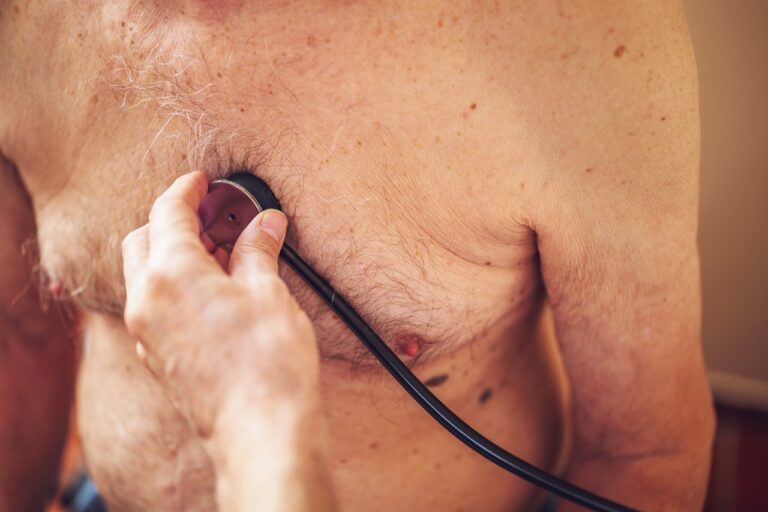
Addressing Common Questions About Treatment
Patients often have questions about treating gynecomastia and whether intervention is necessary. We address some typical topics below.
Restoring Comfort and Confidence With Help From Our Team
Addressing gynecomastia is not just about physical health. It is about reclaiming your quality of life. Our surgeon at the New Jersey Gynecomastia Center can help you build a personalized plan that fits your history, symptoms, and goals.
Early attention can prevent more significant physical changes, boost your confidence, and ensure you can participate fully in daily life and activities that bring joy. Symptoms that linger or progress deserve attention rather than delay.
If you or someone you care about has concerns about gynecomastia, you can trust our caring staff and surgical team to guide you every step of the way. Reach out to the New Jersey Gynecomastia Center today to schedule your private consultation. Begin your path to restored comfort and self-assurance with a team that understands your needs.