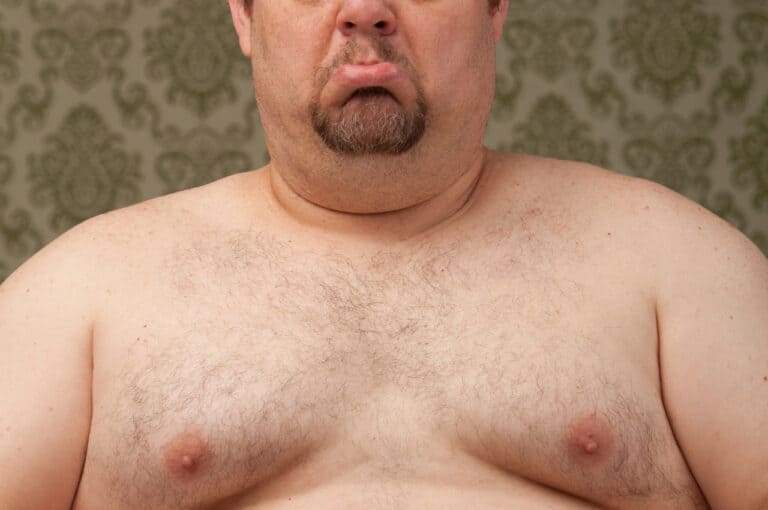
Unilateral gynecomastia can affect men of many ages, causing both physical discomfort and emotional stress. At the New Jersey Gynecomastia Center, our surgeon helps patients understand and address changes in chest contour that do not match the rest of the body.
This specific condition differs from the common idea of “male breast enlargement” and often leads to confusion about causes, diagnosis, and solutions. Our team believes trusted, clear information empowers informed choices. Read on to explore what unilateral gynecomastia means, what causes it, and how our practice can help you reach a more balanced result.
Key Takeaways

What Is Unilateral Gynecomastia?
Unilateral gynecomastia describes male breast tissue enlargement that affects only one side of the chest. This condition involves the growth of the glandular tissue under the nipple and areola rather than simple fat deposits.
Glandular vs. Fatty Enlargement
Many men notice visible chest asymmetry and mistakenly believe extra fat alone is to blame. True unilateral gynecomastia feels like a firm, rubbery lump deep under the nipple, which remains persistent despite exercise or weight loss. This tissue is denser and more defined than normal chest fat.
Fatty chest tissue, often called “pseudogynecomastia,” tends to be softer and more diffuse, affecting both sides. Our surgeon carefully distinguishes between these causes at the New Jersey Gynecomastia Center because the difference affects your treatment plan.
Common Age Groups
Unilateral gynecomastia often appears in certain age ranges:
- Adolescent boys are going through puberty
- Adult men aged 40 and older
- Men experiencing hormonal shifts or medical changes
Growth in these periods typically relates to fluctuating hormone levels, although other health issues can play a role.
Causes of Unilateral Gynecomastia
Unilateral gynecomastia develops for several different reasons. Recognizing the underlying cause can guide both treatment and prevention.
Hormonal Imbalances
Hormones regulate most aspects of human development. When a man’s estrogen level rises, or testosterone falls, breast gland growth can result. Most boys experience a short phase of breast tissue growth during puberty as hormone levels shift.
Medication Effects
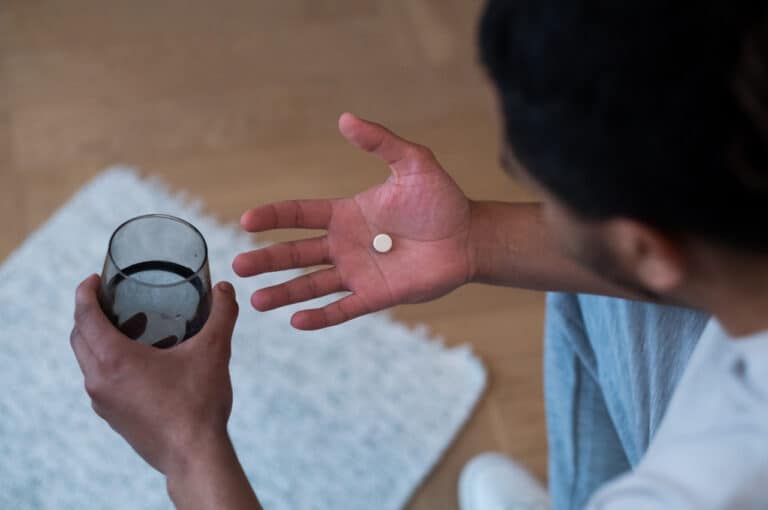
Several medications can affect hormone levels or mimic hormonal activity, including:
- Steroids and androgen supplements
- Certain heart and blood pressure drugs
- Psychoactive medications, including antipsychotics and antidepressants
- Anti-ulcer medications
Our doctor always asks about these types of drugs, as stopping or changing medications may help reverse the condition.
Other Health Factors
Various health conditions can also contribute:
- Liver or kidney disease
- Thyroid dysfunction
- Tumors in hormone-producing organs
Though these causes are less frequent, our surgeon may order lab tests to rule them out, especially when gynecomastia appears suddenly or later in life.
Idiopathic and Genetic Cases
Sometimes, the cause remains unclear. Some men have a genetic predisposition to glandular growth, while others develop gynecomastia without a clear trigger. In these cases, treatment focuses on symptom relief and aesthetics rather than treating an underlying disease.
Our team considers all possible causes before recommending a care plan.
Recognizing the Symptoms and Signs
Unilateral gynecomastia presents with a unique set of symptoms affecting daily comfort and confidence. Below are the main features men report when they visit our practice.
Physical Signs
Men with unilateral gynecomastia often notice:
- A visible puffiness or mound under one nipple
- Tenderness or sensitivity in the affected area
- Firm, rubbery mass that feels distinct from surrounding fat
Sometimes, the enlarged side appears larger or rounder than the opposite side, making the chest look uneven in t-shirts or swimwear.
Emotional and Social Effects
Physical changes can lead to self-consciousness, especially in public or intimate settings. Some men avoid tight-fitting clothing or certain activities, while others report embarrassment or frustration with their chest appearance.
When to Seek a Medical Evaluation
Although most cases are not dangerous, new breast lumps or rapid changes in size require medical attention. Our doctor carefully evaluates any new or painful lumps to rule out rare but serious conditions such as tumors or breast cancer. A quick examination can provide peace of mind and guide further steps if needed.
Early evaluation also makes treatment more straightforward and may lead to better results if surgery is needed.
Diagnosis and Evaluation Process
Accurate diagnosis of unilateral gynecomastia is essential to rule out other causes and to create the right treatment plan.
Initial Consultation
Our surgeon begins with a thorough medical history and a direct conversation about your symptoms. The doctor asks about the onset, duration, and changes in your chest size, as well as any associated pain or discharge.
A physical exam follows, with our surgeon gently palpating the area to distinguish glandular tissue from fatty deposits, cysts, or other abnormalities.
Common Diagnostic Tests
We sometimes recommend further testing for unclear or persistent cases. This may include:
- Blood tests: These can reveal hormone levels, liver and kidney function, or thyroid activity for underlying issues.
- Ultrasound or mammography: These imaging studies help clarify if a lump is solid or cystic and rule out suspicious masses.
- MRI or biopsy: Rarely, when a diagnosis is unclear, our team may order an MRI or perform a tissue biopsy.
Differentiating from Other Conditions
Some male patients develop pseudogynecomastia, lipomas, or cysts, which can mimic true glandular tissue growth. Accurate diagnosis ensures we choose the treatment that fits your situation and goals.
Our surgeon addresses every question and explains recommendations in plain language to keep you informed and confident.

Treatment Options for Unilateral Gynecomastia
Effective treatments depend on the cause, the degree of discomfort, and your personal goals. At our New Jersey office, we tailor every plan to the individual, combining both medical and surgical options as needed.
Conservative Management
Some men do not require any treatment. If the tissue is small, nontender, and not growing, our doctor may recommend observation. This is especially true for teens, as many cases resolve on their own within a year.
When a medication is responsible, switching or stopping it under your physician’s guidance may allow the chest to return to normal. Treating a medical disorder, such as correcting thyroid problems, can sometimes shrink the tissue as well.
Medical Therapies
In certain cases, prescription medicines that adjust hormone levels may help. Our surgeon might consider these options for patients who have developed gynecomastia recently and have specific blood hormone changes. Hormone therapies work best when started soon after the tissue growth appears, but they may only halt or slow further growth, rather than reverse established breast tissue.
Surgical Intervention
Surgery offers a highly effective and reliable solution for men whose gynecomastia persists, causes pain, or creates a major cosmetic concern. Our surgical team uses several proven methods to address unilateral gynecomastia:
- Liposuction: This technique removes excess fatty tissue through tiny incisions. It works when the enlarged area consists mostly of fat.
- Glandular excision: For firm or fibrous gland tissue, our surgeon makes a small incision at the edge of the areola to remove the bulk of the gland.
- Combination approach: Many men have both fat and gland overgrowth, so our doctor combines liposuction with targeted excision for a more even result.
We discuss your individual needs, anatomy, and preferences at every stage.
The Surgical Experience: What to Expect
Many patients want to know what surgery for unilateral gynecomastia involves. Below, we break down the steps so you know what to expect from consultation to recovery.
Preoperative Planning
Our surgical team reviews your medical history, explains the procedure, and answers your questions in detail. We may order basic lab work or imaging if needed.
We ask you to stop blood-thinning drugs before the procedure. Our team also provides instructions about food, drink, and activity during the days before surgery.
Day of Surgery
Unilateral gynecomastia correction is usually an outpatient procedure. Most surgeries take one to two hours. The surgeon uses careful markings and small, well-hidden incisions to ensure symmetry and minimize scarring.
Most patients receive local anesthesia with sedation or general anesthesia. Our doctor removes the glandular tissue, excess fat, or both, then places a small dressing to support healing.
Recovery and Aftercare
You can expect some swelling, mild bruising, and tenderness for the first week. Our team prescribes medication for comfort and provides a compression garment to control swelling and promote smooth chest contours.
Most men return to desk jobs and gentle activities within three to five days. Strenuous exercise and chest workouts usually resume after three to four weeks, depending on healing progress.
Visible improvements appear within a few weeks, with final results developing over several months as swelling fully resolves. Scars fade significantly with time, especially when you follow our aftercare guidance.
Advantages and Risks of Surgery
Before deciding about surgery, men often ask about the pros and cons. Below is a straightforward assessment of what to know.
Advantages
- Immediate and lasting improvement: Surgery corrects asymmetry and discomfort in a single session.
- Minimal scarring: Small, well-planned incisions create discreet, low-visibility scars that fade over time.
- High satisfaction rates: Most patients express improved confidence and clothing options after recovery.
- Fast recovery: Outpatient surgery and careful aftercare help you resume daily life quickly.
Risks and Limitations
All surgical procedures carry some risk, which our doctor will always review. These may include:
- Bleeding or infection
- Temporary numbness around the nipple
- Asymmetry or uneven contour, which may require a revision
- Rare thick or raised scars
Complications remain uncommon, especially when patients follow our instructions after surgery. Our team monitors your recovery to catch and address any problems early.
Tips for a Smoother Recovery
A quick and comfortable recovery comes from a combination of expert surgical care and good self-care at home. Here are simple steps we encourage all our patients to follow:
- Wear your compression garment: This reduces swelling and supports your new shape.
- Keep incisions clean: Our surgeon will review specific cleaning and care instructions.
- Limit upper body activity: Give yourself time to heal before restarting workouts or heavy lifting.
- Attend all follow-up appointments: Regular checkups let us track progress and address concerns early.
- Watch for warning signs: Redness, fever, or unusual pain signals may require a call to our office.
Thoughtful attention to these steps helps produce the best results for both comfort and appearance.
Frequently Asked Questions about Unilateral Gynecomastia
Answering questions helps patients feel informed and confident about their decisions. At our practice, we field a wide range of topics about unilateral gynecomastia.
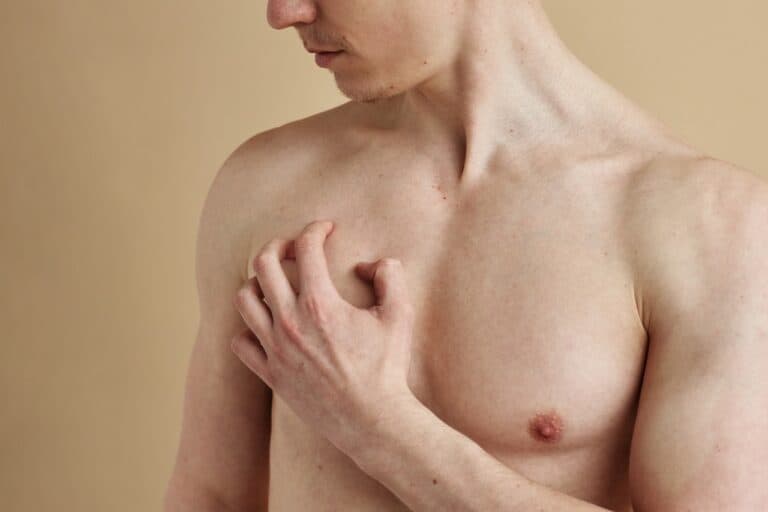
Achieving Balance and Confidence
Unilateral gynecomastia presents unique physical and emotional challenges yet responds very well to thoughtful care. Our surgeon at the New Jersey Gynecomastia Center provides both expertise and support, helping men achieve a confident, natural-looking chest.
A careful evaluation and clear diagnosis set you on the right path. Whether you choose observation, medical treatment, or surgical correction, understanding all your options gives you more control and peace of mind.
If you notice changes in your chest or want to discuss treatment for unilateral gynecomastia, reach out to our team today. A confidential consultation at our New Jersey office can help you decide the next best step for your health and self-image. We are always available to answer your questions and guide you toward the results you want.